As the seasons change and the temperature fluctuates, there’s one thing you can always count on: your HVAC system. It’s the backbone of your home’s comfort, keeping you warm during chilly nights and cool on those hot summer days. But like any hardworking appliance, it can only function properly if it’s given the care it needs. Often, small mistakes and neglected maintenance can lead to bigger problems, making your home uncomfortable when you need it the most.
In this blog, we’ll walk through some of the most common HVAC mistakes homeowners make and how you can avoid them. By the end, you’ll have the knowledge to keep your HVAC system running smoothly and your home comfortable.
1. Ignoring Regular Maintenance
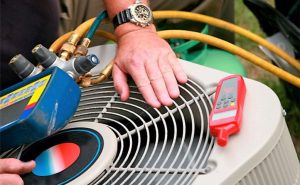
One of the greatest errors that a lot of homeowners make is not doing routine maintenance. When your HVAC system is running well, it’s easy to forget about it. But just like a vehicle, it requires regular check-ups to keep in good shape. If you don’t keep up with maintenance, your appliances may break down, work less well, and cost more to run.
What to do:
- Schedule an annual maintenance check for both your heating and cooling systems.
- Keep an eye on performance issues, such as strange noises or inconsistent temperatures.
- Change air filters every few months to maintain good airflow.
A little maintenance goes a long way in preventing expensive repairs and ensuring your HVAC system is always ready when you need it.
2. Forgetting to Replace Air Filters
Air filters are a critical component in keeping your HVAC system running efficiently. Your system needs to work harder to push air through when the filters are clogged with dust, grime, and other things. This may make your energy costs go up and possibly cause your system to break down or become too hot.
What to do:
- Replace air filters every 1-3 months, depending on the filter type and usage.
- Opt for high-efficiency filters if you want to improve indoor air quality and prevent dirt buildup.
A clean filter ensures your system operates efficiently, reduces strain on components, and helps keep the air in your home fresh and clean.
3. Overlooking Ductwork Problems
Your ducts play a vital role in delivering the conditioned air throughout your home. Over time, ducts can develop leaks, cracks, or blockages, which can lead to a significant loss of air pressure. This can make your system less efficient and even impact your home’s air quality.
What to do:
- Inspect ducts periodically for signs of leaks or damage.
- Consider professional duct cleaning every few years to remove built-up dust and debris.
- Seal any visible gaps in ductwork to improve airflow.
By ensuring your ducts are in good shape, you can help your HVAC system perform better, ultimately lowering energy costs and preventing unnecessary wear and tear.
4. Cranking the Thermostat to Extreme Settings
It’s tempting to set your thermostat to an extreme temperature when you’re either too hot or too cold, hoping it will bring your home to the right temperature quickly. But this may put extra stress on your HVAC system, which can lead to increased energy costs and, ultimately, system failure.
What to do:
- Set your thermostat to a comfortable level and leave it there for a more stable level of comfort.
- Buy a programmable thermostat so that you may change the temperature in your house based on your schedule.
A steady, reasonable temperature helps your system run more efficiently and keeps your home comfortable all day long.
5. Blocking Vents and Airflow
Closing vents or doors in areas that aren’t being used to conserve energy can seem like a smart idea, but it actually makes your HVAC system work harder. Restricting airflow can lead to uneven temperatures, increased energy usage, and even damage to your system over time.
What to do:
- Keep vents open and unblocked for proper airflow.
- Use ceiling fans or other methods to help circulate air and distribute the temperature more evenly across your home.
Allowing your HVAC system to distribute air freely throughout your home helps maintain efficiency and a consistent indoor climate.
6. Overusing the ‘Off’ Button
Turning your HVAC system off when you’re away seems like an easy way to save energy, but it can actually make things worse. When you return home and crank the system back on, it has to work harder to reach the temperature you want, leading to extra strain and a potential rise in energy bills.
What to do:
- Set your thermostat to a slightly higher or lower setting when you’re not home, depending on the season.
- Consider using a smart thermostat that adjusts automatically based on your schedule.
Letting your system run at a consistent, manageable pace saves energy and reduces wear on key components.
7. Ignoring Leaks and Gaps
It may not seem like a significant issue, but even small cracks and gaps around windows and doors can waste a considerable amount of energy. These spaces allow air to flow readily, which makes your HVAC system work harder to maintain the proper temperature inside.
What to do:
- Check for drafts around windows, doors, and even around your HVAC system.
- Seal any gaps with weatherstripping or caulk to keep air from escaping.
Sealing up gaps around your home improves your HVAC system’s efficiency, reduces energy waste, and keeps your home at the perfect temperature.
8. DIY Fixes for Serious Problems
It’s tempting to try fixing HVAC issues on your own, especially with online tutorials and how-to videos, but DIY fixes can often make things worse. HVAC systems are complex, and attempting repairs without the right training can lead to costly mistakes, injuries, or permanent damage.
What to do:
- Call a professional technician if you notice any serious issues with your HVAC system.
- Avoid tinkering with electrical components, refrigerant levels, or gas lines on your own.
Letting a professional handle major repairs ensures that the job gets done right the first time, keeping your system running efficiently and safely.
9. Running the HVAC System at Full Capacity Year-Round
While it may feel like you should run your HVAC system at full capacity when the weather is extreme, doing so is unnecessary and inefficient. Your system is designed to run at a moderate pace, and pushing it to its limits can shorten its lifespan.
What to do:
- Use fans and natural ventilation during mild weather to reduce the need for full HVAC operation.
- Set your thermostat to a reasonable temperature for year-round comfort.
Using your system efficiently means it works less, lasts longer, and saves you money in the long run.
Final Verdict
You can make your HVAC system last longer, save on expensive repairs, and keep your house pleasant all year long by not making these frequent blunders. Regular maintenance, small changes in habits, and knowing when to call a professional will go a long way in protecting your HVAC system from unnecessary wear and tear.
Nextgen Heating and Air can help you if you need professional support. We can help you maintain your HVAC system in great shape since our experts are competent and we care about our customers. Don’t wait until it’s too late – schedule your HVAC maintenance check today!